
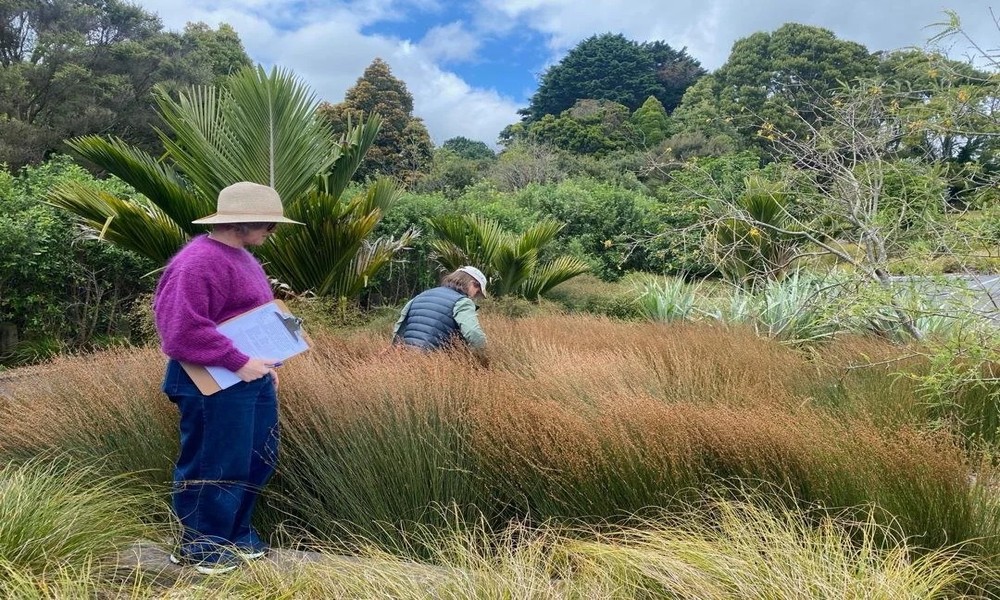
It is strangely pleasing to come across a plant that feels a little wild, a little structured, and somehow very calming at once. That is oioi for you. One glance and you are not sure if it belongs in a styled garden shoot or stabilising a windswept wetland edge. Truth is, it suits both settings effortlessly.
Apodasmia similis is the botanical name for oioi, a native rush that feels right at home in New Zealand landscapes. Over at The Plant Company, it is a popular pick for gardeners who want texture without drama. The upright, reed-like stems catch the light beautifully, shifting between green and bronzy tones as seasons roll along. It is subtle. Striking, but subtle. A rare combo.
Oioi is not flashy with flowers. Its charm sits in the stems, the movement, the way it changes mood with wind and sun. And yes, it is tough enough to handle spots that defeat fussier plants.
Why Oioi Works So Well in NZ Gardens
This is where oioi quietly proves itself. It is adapted to conditions many gardens already have.
- Handles coastal air and salty breezes with ease
- Thrives in moist soils that challenge other ornamentals
- Tolerates periods of dryness once established
- Provides year-round structure and movement
- Offers habitat value for small wildlife
It is the sort of plant that looks like you planned very carefully, even if you did not.
Choosing the Right Spot
Oioi enjoys a sunny spot but copes just fine with a bit of light shade. If you have got a damp corner, the edge of a pond, or that low area that never really dries, you have likely found exactly where it will feel most at home.
- Full sun to partial shade is ideal
- Moist, free-draining soil keeps it happiest
- Excellent for rain gardens and wetland-style plantings
- Great along fences, driveways, and boardwalks
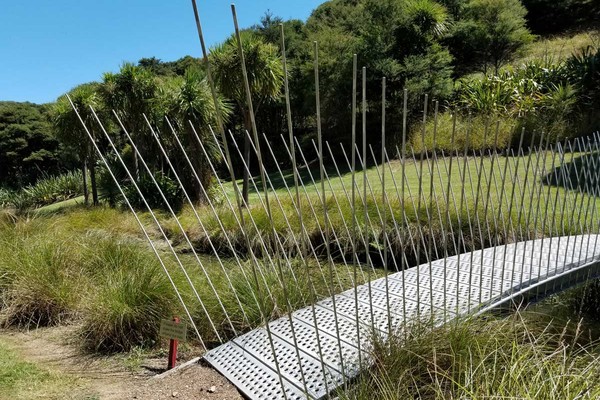
Deep shade, though? Not its favourite. The stems thin out and lose that confident look.
Planting and Early Care
Getting started is simple, and that is part of the appeal.
- Dig a hole two times as wide as the root ball
- Improve heavy clay with compost for better drainage
- Plant at a similar depth as the nursery pot
- Water well during the first few months
After that, ease off. Oioi does not like being fussed over too much.
Keeping It Looking Fresh
Maintenance is refreshingly light.
- Remove old or tired stems in early spring
- Divide clumps every few years if they outgrow the space
- No special feeding routine required
- Occasional tidy-up keeps the form crisp
You will spend more time admiring it than maintaining it.
Using Oioi in Garden Design
Oioi shines when planted in groups. One plant looks nice. Five looks intentional. Ten looks stunning.
- Pair with flax and phormium for contrasting textures
- Use in drifts along water features or paths
- Soften hard landscaping like stone and timber edges
- Create movement in still, structured gardens
- Be patient with it. After a few months, you will notice how the light catches the stems in a way that is surprisingly beautiful. That is the gentle charm of oioi; it never begs to be noticed, yet somehow ends up drawing your eye anyway.Top of Form
Bottom of Form

