
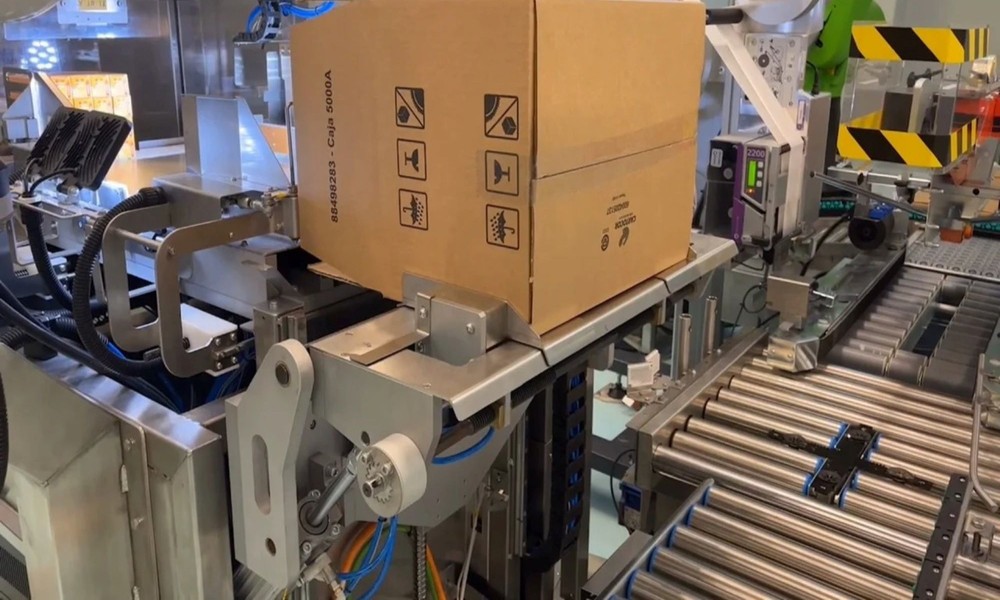
A packaging machine Singapore manufacturers invest in is one of the most consequential capital decisions on the production floor. Choose well, and the machine serves your operation reliably for years, paying for itself through improved throughput, reduced waste, and lower labour costs. Choose poorly, and you are stuck with equipment that either cannot handle your production demands or sits idle because it was over-specified for your actual needs.
Both mistakes are common, and both are expensive. Over-specifying means paying for capacity and features you never use. Under-specifying means outgrowing the machine within months and facing the cost of an early replacement. The sweet spot is a machine matched precisely to your current requirements with a reasonable margin for growth.
Start with Your Product, Not the Machine
The most effective way to narrow your options is to start with what you are packaging rather than which machines are available.
Product type.
Liquids, powders, granules, pastes, and solids each require different filling and sealing technologies. A machine designed for free-flowing liquids will not handle a viscous adhesive, and vice versa.
Container type.
Bottles, pouches, pails, drums, bags, and cartons each have specific handling requirements. The machine must be compatible with your container material, size, and closure type.
Fill volume.
The range of fill volumes across your product line determines whether you need a single machine with adjustable settings or multiple machines for different volume ranges.
Production volume.
Daily output targets dictate the speed and capacity class of the machine. A machine rated for 500 units per hour is inappropriate for a line that needs 2,000.
Defining these parameters before approaching suppliers prevents the common trap of being steered towards a machine that fits the supplier’s inventory rather than your actual needs.
Understanding Machine Categories
Some packaging machine singapore fall into several broad categories.
- Filling machines. Volumetric, gravimetric, and flow-based systems for dispensing precise quantities of product into containers.
- Sealing and capping machines. Equipment for closing containers after filling, including screw cappers, press-on cappers, heat sealers, and induction sealers.
- Bagging systems. Machines for filling and sealing bags of various sizes, from small sachets to large industrial bags.
- Labelling machines. Systems for applying adhesive labels, shrink sleeves, or printed information to containers.
- Palletisers. Equipment for stacking filled containers onto pallets for storage and transport.
- Wrapping machines. Stretch wrap and shrink wrap systems for securing palletised loads.
Most production lines require a combination of these machines working in sequence. The key is ensuring compatibility between each station so that containers move smoothly through the entire line.
How to Avoid Overpaying
Overpaying typically happens in three ways.
- Buying features you do not need. A machine with touchscreen recipe management, remote monitoring, and IoT connectivity is valuable for a multi-product, multi-shift operation. For a single-product line running one shift, these features add cost without adding value.
- Over-specifying capacity. A machine rated for 3,000 units per hour running at 1,000 units per hour is underutilised. You are paying for engineering, materials, and floor space designed for three times your actual demand.
- Ignoring the total cost. A cheaper machine with high consumable costs, frequent maintenance needs, or limited parts availability may cost more over three years than a higher-priced machine with lower running costs.
As Lee Kuan Yew once said, “We cannot afford to waste resources.” In manufacturing, resources include the capital spent on equipment that exceeds your actual requirements.
How to Avoid Under-Specifying
Under-specifying is equally damaging.
- Buying for today only. A machine that meets today’s demand but has no capacity headroom forces a replacement the moment production grows. Build in a twenty to thirty percent capacity buffer above current requirements.
- Ignoring changeover needs. If your product line includes multiple SKUs, container sizes, or fill volumes, the machine must accommodate changeovers efficiently. A machine that takes an hour to switch between products costs you an hour of production for every changeover.
- Skimping on automation. Semi-automatic machines are cheaper but require more operator involvement. If labour availability is a concern, as it is for many Singapore manufacturers, the additional cost of full automation pays for itself in reduced headcount and improved consistency.
Evaluating Suppliers
The supplier is as important as the machine. When evaluating packaging machine singapore, assess the following.
- Application expertise. Does the supplier understand your industry and product type? Generic equipment sellers may not appreciate the specific requirements of chemical, food, or pharmaceutical packaging.
- Customisation capability. Can the supplier modify standard machines to suit your specific line layout, container type, or production flow?
- After-sales support. What service, maintenance, and spare parts support is available locally? A machine without accessible support is a ticking clock.
- Installation and commissioning. Does the supplier handle installation, testing, and operator training, or is that your responsibility?
A Practical Decision Framework
Before committing to a purchase, answer these questions in order.
- What am I packaging, and into what container?
- How many units per hour do I need today and in three years?
- How many product changes per day does my line require?
- What is my total budget including installation, training, and three years of operation?
- Which suppliers have proven experience with my packaging machine type and industry?
These answers form a specification that you can present to multiple suppliers for comparable proposals. The right machine is the one that fits this specification at the best total value, not the lowest price.

