
Key Takeaways
Automated storage solutions optimize space utilization by maximizing vertical storage and minimizing human error, significantly enhancing operational efficiency.
In marinas, automated systems enable the compact stacking of boats and gear, freeing up dock space and improving accessibility for customers.
When it comes to parking, automated solutions can boost vehicle capacity by as much as 60% compared to traditional methods, while also enhancing user satisfaction with features like space reservations and automated retrieval.
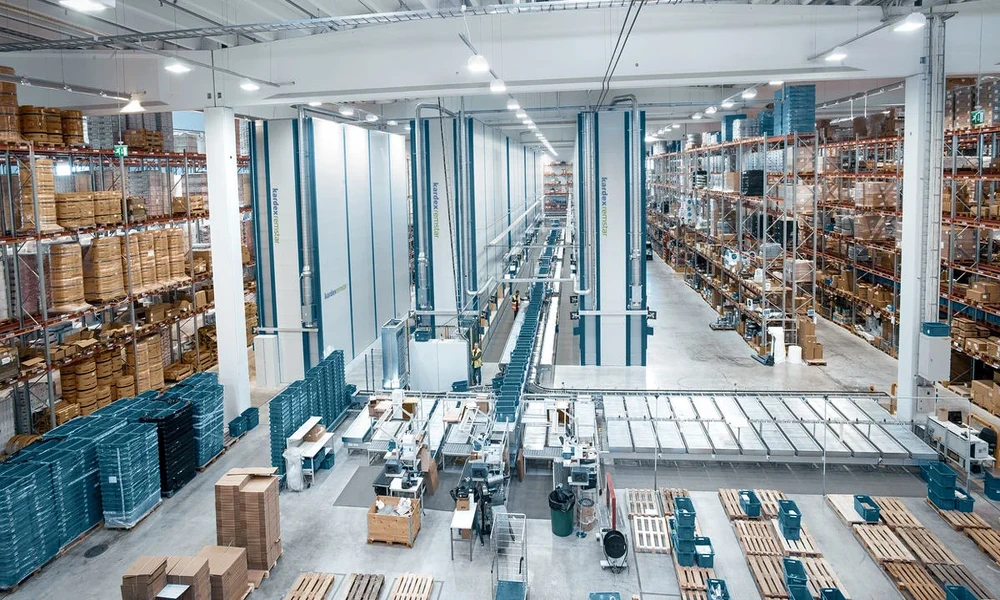
In warehouses, automation dramatically improves inventory accuracy and speeds up order fulfillment, helping businesses thrive in the fast-paced e-commerce environment.
Investing in automated storage systems not only brings substantial cost savings through reduced physical space requirements but also lowers labor costs by minimizing manual handling.
Additionally, advanced security features in automated storage solutions deter theft with real-time tracking and controlled access to high-value items, providing peace of mind for businesses.
A comprehensive evaluation of existing spaces and operational needs is essential for selecting the most effective automated storage technology, ultimately ensuring successful implementation.
How Automated Storage Solutions Eliminate Spatial Constraints
As space becomes ever more limited, businesses must innovate to meet growing demands. Automated storage solutions serve as a lifeline, delivering systems that maximize every square foot while reducing human error. By adopting these solutions, organizations can fundamentally shift how they utilize space, promoting greater efficiency and effectiveness.
Revolutionizing Marinas with Smart Storage
Marinas face distinctive challenges in managing limited waterfront space. With boats and equipment competing for room, establishing an effective storage system is paramount. Smart storage solutions have emerged as a vital strategy for clearing clutter and optimizing available space.
By employing a combination of vertical storage systems and automated retrieval technologies, marinas can compactly stack boats and gear. The appropriate solution can help free valuable dock space, creating an environment that’s more accessible for customers. It’s essential to consider how crucial it is for clients to maneuver their vessels without hassle.
- Space maximization: Using vertical storage allows marinas to leverage height instead of just floor space.
- Enhanced access: Automated systems streamline operations, ensuring boats are easily retrievable when needed.
- Security: Advanced technologies protect against theft or damage to valuable assets.
A smart storage strategy not only increases customer satisfaction but also boosts revenue, thanks to improved operational efficiency that enhances throughput.
Parking Solutions that Maximize Efficiency
Urban spaces are under constant pressure. Parking is becoming a rare commodity. Imagine the frustration of searching endlessly for a free spot. Automated parking systems address this challenge directly, not only increasing capacity but also enhancing the user experience.
With a well-designed automated parking solution, vehicles are parked and retrieved without human intervention. This not only saves time but also minimizes damage from careless handling, helping to maintain vehicle condition. Moreover, these systems can offer advanced features like space reservation and payment gateways, providing a seamless experience for users.
- Space efficiency: Automated machines can fit more cars into less space compared to traditional parking methods.
- User convenience: Reservation and payment options enhance user satisfaction and encourage system adoption.
- Operational savings: Less reliance on staffing leads to lower labor costs and minimized human error.
“Automated parking solutions can increase overall capacity by up to 60% compared to traditional parking layouts.”
Transforming parking operations from chaotic to orderly can enhance a business’s reputation while greatly improving customer experiences.
Optimizing Warehouse Layouts for Peak Performance
Warehouses are not merely storage spaces; they’re designed for efficiency. Automated storage systems disrupt traditional models by offering innovative inventory management approaches. The fast-evolving world of e-commerce demands quick retrieval and high accuracy, making these systems vital. A robust auto-storage solution can differentiate between mediocre service and industry leadership.
Solutions such as Automated Guided Vehicles (AGVs) and robotic storage/retrieval systems intricately elevate operational workflows. These systems reduce the time staff spends locating products, maximizing efficiency and decreasing waste.
- Increased accuracy: Automated systems help mitigate human error, ensuring inventory accuracy.
- Faster turnover: Quick retrieval speeds up order fulfillment, enhancing customer satisfaction.
- Space optimization: Automated layouts can adapt, allowing businesses to scale operations as needs change.
By effectively utilizing automated solutions, warehouses can enhance functionality while improving the bottom line.
Benefits of Automated Storage in Diverse Industries
The flexibility of automated storage solutions goes far beyond marinas, parking, and warehousing. Organizations across various sectors are harnessing the efficiency that automation provides, leading to tangible benefits in operations and profitability.
Cost Savings Through Effective Space Management
Space equates to money. By reducing wasted areas, automated storage systems can lead to significant cost savings for businesses. They develop tailored solutions that adapt to specific spatial configurations, ensuring all available space is utilized effectively.
Consider organizations that have invested in high-density systems. They report reduced real estate costs as less space is needed to accommodate the same volume of inventory. Flexibility in space usage can provide businesses with a competitive edge as operational efficiency improves.
- Lower overhead: Reduced physical space translates to lower rent and associated utility costs.
- Inventory accuracy: Precision solutions optimize stock management, resulting in fewer stockouts and overages.
- Labor savings: Less manual handling can lead to reduced workforce costs.
By adopting automated systems, companies can reinvest saved resources into growth opportunities, such as new inventory or expanded service offerings.
Enhancing Security with Innovative Technologies
The threat of theft looms large for businesses managing extensive inventories. automated storage solutions provide a critical layer of security. With cutting-edge monitoring systems, real-time tracking, and access control features, companies can significantly minimize potential risks.
Imagine a scenario where only authorized personnel can access valuable assets, thanks to biometric scans or advanced access cards. Enhanced security not only protects assets but also brings peace of mind to customers and stakeholders alike.
- Real-time tracking: Automated systems can monitor stock levels and movement, deterring theft.
- Access control: Only authorized individuals can interact with high-value items.
- Data analytics: Businesses can analyze inventory trends and proactively address issues.
Effectively securing valuable assets reduces loss ratios, fortifying businesses against outside threats.
Streamlined Operations: A Game Changer for Businesses
Simplifying operational procedures can provide companies with a strong advantage in today’s competitive environment. Automated systems facilitate this through efficient design, leading to seamless workflows that enhance overall productivity.
Order fulfillment and inventory management take on new dimensions when human intervention is reduced. Businesses will find that this shift allows staff to focus on higher-skill tasks rather than mundane operations. Such a transition not only boosts morale but also fosters creativity as employees engage more strategically with their roles.
- Workflow automation: Repetitive tasks become streamlined, freeing staff for high-value initiatives.
- Customer satisfaction: Faster, more accurate fulfillment leads to happier, returning clients.
- Reduced error rates: Automation lessens human errors in the pick-and-pack process.
When operations run efficiently, businesses can pivot toward innovation and customer-centric strategies that create lasting impact.
What to Consider When Implementing Automation
When organizations consider adopting automated storage solutions, a strategic approach is essential. The unique complexities of each space will dictate how effectively these systems can be deployed, making it crucial to evaluate multiple factors.
Evaluating Your Space: A Personalized Approach
One size does not fit all. Prior to investing in automation technology, businesses must thoroughly assess their unique environments. Grasping the layout, volume, and specific user needs leads to truly optimal solutions.
Investing time in formal assessments can reveal not just the current state of a facility, but also its future needs. Is there potential for expansion? How often are items accessed? These subtle differences play a critical role in selecting the most suitable system.
- Understand your inventory: Assess turnover rates and item sizes, as these directly influence system choices.
- Identify user needs: Obtain feedback from team members who engage with the storage daily.
- Space flexibility: Can the existing layout adapt to changes, or will modifications be necessary?
A comprehensive evaluation lays the groundwork for successful implementation.
Selecting the Right Technology for Your Needs
With numerous options available, businesses should approach technology selection with discernment. Automated storage systems vary significantly, catering to specific operations, whether it involves vertical lifts or horizontal shuttles.
Aligning the technology with operational needs ensures seamless integration into existing workflows. Businesses must weigh both initial costs and long-term benefits to achieve a suitable balance.
- Scalability: Solutions should accommodate growth rather than limit potential.
- Ease of use: Training for staff should be straightforward, minimizing downtime during the transition.
- Technical support: Choose providers that offer reliable, ongoing support post-installation.
Aligning technology with business needs instills confidence in the transition, ensuring organizations fully capitalize on their investment.
Understanding Installation Processes and Timelines
Like any major operational shift, automated storage solutions require careful planning and skilled execution. Installation processes vary but typically involve stages of assessment, engineering, and on-site construction.
Grasping these timelines can help businesses anticipate disruptions and ready their teams accordingly. Each phase introduces milestones that guide the project’s progress.
- Complexity assessments: Some systems may mandate more tailored configurations, extending installation timelines.
- Timeline estimates: Creating realistic time frames is vital to avoid operational delays.
- Coordination with teams: Clear communication across departments ensures a smoother transition process.
Understanding what to expect can build confidence in teams and help them adapt more effectively to new systems.
Real-World Success Stories: Automated Storage in Action
Exploring the practical application of automated storage solutions can provide insights that inspire other businesses. Through these success stories, organizations can learn valuable lessons regarding the implementation and effectiveness of such systems.
Case Study: Marina Transformation through Automation
A mid-sized marina struggled with space optimization. The disorganization of boats led to customer frustration. By implementing a high-density automated storage system, efficiency and access improved drastically. As a result, customer satisfaction surged, driving repeat business.
Within months of deployment, revenue increased notably, as enhanced operational efficiency directly translated into improved service offerings.
- Access speed: Retrieval time for boats plummeted by 40%.
- Customer satisfaction: Positive feedback from clients skyrocketed soon after automation.
- Increased revenue: A 30% boost in returns was recorded within the first year post-transition.
This journey underscores the formidable potential of automated systems for space optimization.
How Businesses Are Thriving with High-Tech Parking
A bustling urban parking facility dealt with constant capacity challenges amidst rising demand. Investing in automated parking technology delivered a solution, significantly increasing vehicle accommodation efficiency. The facility incorporated reservation systems alongside automated retrieval to enhance user experience.
This move into automation alleviated congestion and enhanced overall user satisfaction, paving the way for positive word-of-mouth marketing.
- Increased capacity: The facility now operates at 90% capacity during peak hours.
- Reduced retrieval times: On average, vehicles are accessible within five minutes.
- Higher revenue: Parking rates remain stable despite enhanced operational efficiency.
These success stories highlight how advanced parking solutions can transform urban environments.
Warehouse Success: Keys to Maximizing Storage Efficiency
A distribution center faced challenges with outdated storage practices, leading to overstock issues and chaos. The transition to automated storage coincided with the adoption of international management software to synchronize with inventory systems. This change fostered dramatic improvements throughout the warehouse.
Inventory accuracy soared, and fulfillment times shrank remarkably, permitting staff to handle more orders. Operational efficiency was evident in customer satisfaction metrics, which reached new heights.
- Order accuracy: Fulfillment errors fell by over 50%.
- Efficiency boost: Turnaround times improved by more than 30%.
- Employee satisfaction: Staff reported increased job satisfaction due to reduced repetitive tasks.
These outcomes affirm how integrated automated systems can streamline warehouse logistics and enhance productivity.
FAQ
What types of businesses can benefit from automated storage solutions?
Automated storage solutions are versatile, serving a vast array of industries such as retail, logistics, manufacturing, and even healthcare. Any business that relies on effective inventory management or space optimization can leverage these systems to boost operational efficiency.
How do automated storage systems improve employee productivity?
By cutting down the time spent on manual tasks like finding and retrieving items, automated systems empower employees to concentrate on higher-value activities. This transition not only elevates overall productivity but also enhances job satisfaction as staff are engaged in more strategic or customer-focused roles.
Are there maintenance requirements for automated storage systems?
Indeed, regular maintenance is crucial for ensuring optimal operation. Scheduled inspections and servicing keep systems functioning smoothly, minimize downtime, and extend their lifespan. Many providers offer maintenance contracts designed to support businesses in managing these responsibilities effectively.
What kind of training will staff need for new automated systems?
Training for staff should focus on understanding operational protocols, system navigation, and troubleshooting techniques. Most vendors provide comprehensive training sessions customized for specific systems, equipping employees with the confidence to operate the technology successfully.
Can automated storage systems be customized to fit specific business needs?
Absolutely. Numerous automated storage systems offer customization options to meet unique operational requirements, layout constraints, and inventory types. Tailored solutions not only optimize efficiency but also guarantee that investments yield the best returns over time.
How does the cost of automated storage solutions compare with traditional options?
While the upfront investment in automated storage systems may be higher, businesses often discover that the return on investment comes through decreased labor costs, increased efficiency, and superior space utilization. This can lead to long-term savings that far exceed initial outlays.
What role does technology play in enhancing the security of automated storage facilities?
Technology is essential in securing automated storage systems, integrating features like real-time tracking, biometric access controls, and surveillance monitoring. These technologies work in concert to safeguard valuable assets against theft and unauthorized access, thereby enhancing overall security.
How can businesses assess if they need automated storage solutions?
Organizations should perform a thorough assessment of their current operations, pinpointing pain points related to space utilization, retrieval times, and inventory accuracy. Consulting with an expert in automated solutions can provide valuable insights into whether such systems would effectively address specific challenges.
Useful Resources
- International Space Solutions – Insights and solutions for optimizing space across various industries.
- Supply Chain 247 – Educational articles and resources on supply chain management, including automated storage solutions.
- Material Handling Industry of America (MHIA) – Resources focusing on material handling and logistics, with an emphasis on automation and technology.
- National Institute of Standards and Technology – Guidance and standards related to various technologies, including storage automation.
- Robotic Industries Association (RIA) – Educational resources on robotics and automation technologies in industry.
- American Psychological Association – Research on the impact of automation on workforce efficiency and employee satisfaction.
- Warehouse Management – Articles and resources that focus on optimizing warehouse operations, including automation technologies.
- TradePub – A collection of free reports and resources for various industries, covering automation and efficiency strategies.

