
Key Highlights
- Professional sessions provide a confidential and non-judgmental environment to explore your fears.
- Therapists help you identify the specific triggers that contribute to your anxious thoughts.
- You will learn practical techniques to manage physical symptoms and mental distress.
- Sessions focus on building long-term emotional resilience for a more balanced lifestyle.
Introduction
Anxiety can often feel like an overwhelming weight that dictates your daily decisions and limits your potential. Whether it manifests as constant worry, physical tension, or social avoidance, seeking professional help is a proactive step toward reclaiming your peace of mind. Many individuals hesitate to begin because they are unsure what the process entails. Understanding the structure of anxiety therapy in Singapore can demystify the experience and help you feel more comfortable as you embark on your healing journey. Emotional counselling offers a structured way to navigate these difficult feelings with the guidance of a trained specialist.
A Comprehensive Initial Assessment
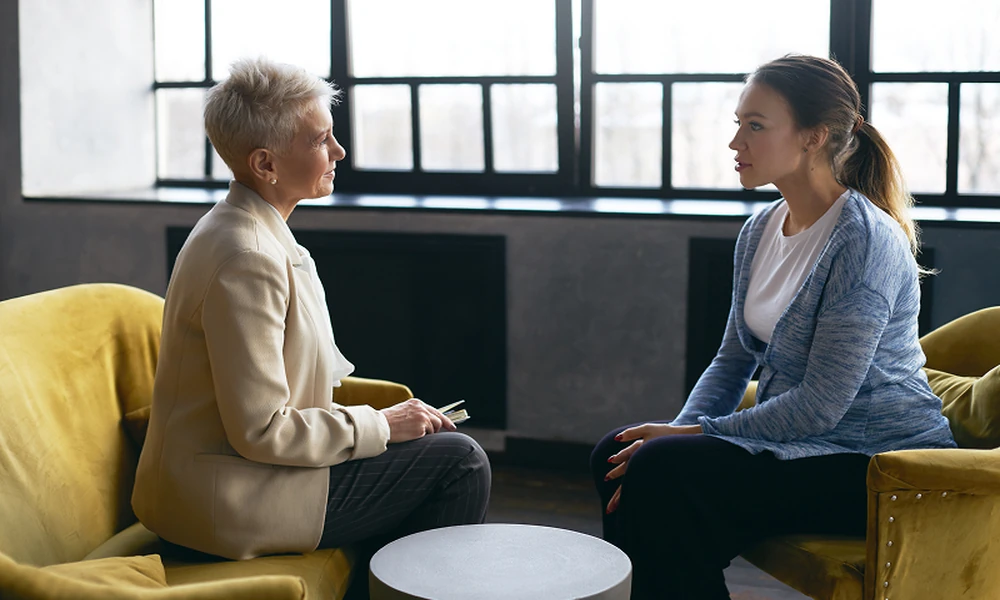
The first stage of therapy involves a thorough assessment where the therapist learns about your history and current challenges. During these initial meetings, you will discuss the specific ways anxiety affects your life, including your work, social interactions, and physical health. This is not just a formal interview but a chance to build a relationship based on trust and safety. The therapist will ask about the onset of your symptoms and any patterns you have noticed over time.
By understanding the unique context of your anxiety, the professional can tailor their approach to suit your specific needs. This stage is crucial because it ensures that the therapy is relevant and targeted. You might also discuss your goals for the future, helping to create a roadmap for the sessions ahead. This collaborative start sets a positive tone for the entire therapeutic process.
Learning Practical Coping Strategies
The most tangible part of anxiety therapy in Singapore is the development of a personal toolkit of coping strategies. Therapists often use evidence-based techniques to help you manage the physical and mental symptoms of anxiety in real-time. This might include breathing exercises to calm the nervous system, mindfulness practices to stay grounded, or cognitive reframing to challenge negative thought cycles. These tools are designed to be used outside the therapy room in your everyday life.
As you practice these techniques, you will likely find that the intensity of your anxiety begins to diminish. The goal is to move from a state of reactive panic to one of proactive management. You will learn how to sit with uncomfortable emotions without letting them control your actions. This empowerment is a significant milestone, as it proves that you have the internal resources to handle life’s various stresses.
Identifying Root Causes and Triggers
Once a foundation of trust is established, the focus shifts toward identifying the underlying causes of your distress. Anxiety is rarely a standalone issue and is often linked to deeper emotional patterns or past experiences. Through emotional counselling, you will explore the thoughts and beliefs that fuel your anxious responses. This exploration helps you see that, while your feelings are intense, they are often rooted in cognitive distortions or learned behaviours that can be unlearned.
Identifying your triggers is a vital component of this phase. You will work together to pinpoint the specific situations, people, or thoughts that spark an anxious episode. Gaining this clarity allows you to approach these triggers with a different perspective. Instead of feeling blindsided by anxiety, you begin to recognise the early signs of its arrival, which is the first step toward managing it effectively.
Building Long-Term Emotional Resilience
The final aspect of the therapeutic process involves shifting the focus toward long-term wellness and resilience. Anxiety therapy is not just about stopping a panic attack in the moment; it is about changing your overall relationship with stress. You will work on building a lifestyle that supports mental health, which may include setting better boundaries, improving communication skills, and prioritising self-care. This holistic approach ensures that the progress you make is sustainable.
By the end of your sessions, you should feel more equipped to face future challenges without the debilitating interference of chronic worry. Emotional counselling fosters a deeper understanding of your own mind, allowing you to navigate life with greater confidence. The resilience you build serves as a protective factor against future episodes of anxiety, helping you maintain a sense of balance and purpose in all areas of your life.
Conclusion
Taking the step to attend anxiety therapy is a sign of strength and a commitment to your own well-being. By engaging in professional emotional counselling, you gain the insights and tools necessary to transform your life. The process is collaborative and gradual, ensuring that you feel supported at every turn. While anxiety may have felt like an unbeatable foe, professional guidance provides a clear path toward a calmer and more fulfilling future.
Contact The Relationship Room today to begin your journey toward emotional wellness.

Hemant Kumar is a project manager at Tridindia with more than nine years of commendable experience in writing about LMS, translation, and IT. His unmatched talent and passion for digital marketing gave him the opportunity to work as a multi-tasking project manager at TridIndia’s sister company, Link Building Corp. Today, he contributes to the world by imparting knowledge on SEO, link building and internet marketing etc., that helps business owners grow their online business.

