
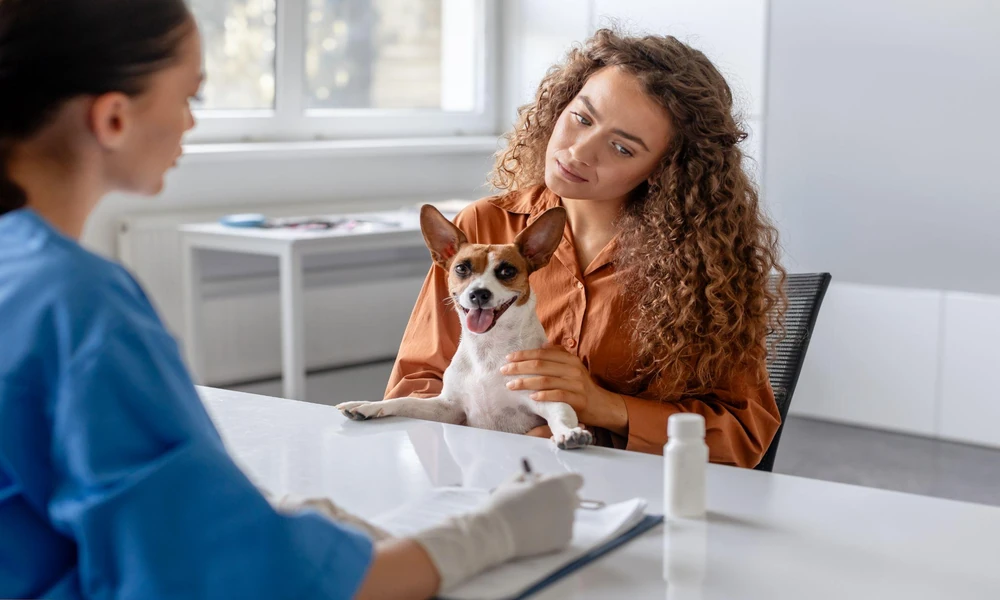
Learning that your beloved companion needs an operation naturally causes a wave of worry. Whether your pet faces an elective routine procedure like spaying or a complex orthopaedic operation, stepping into a medical environment can feel daunting. As a dedicated owner, you want total peace of mind knowing your pet rests in safe, gentle, and highly qualified hands. Preparing a list of clear questions before booking your appointment at an animal hospital helps you understand the procedure, evaluate the facility’s safety standards, and prepare your home for a smooth recovery.
Safety First: Inquiring About Anaesthesia and Monitoring Protocols
Anaesthesia carries inherent risks for any patient, human or animal alike. Asking direct questions about how the clinical team minimises these risks gives you instant clarity regarding their medical standards.
- Pre-Anesthetic Blood Screening – Ask if the clinic performs routine pre-surgical blood tests to check liver and kidney function, ensuring your pet’s internal organs can process anaesthesia safely.
- Dedicated Monitoring Staff – Inquire whether a qualified veterinary nurse actively monitors your pet’s vital signs, including heart rate, oxygen levels, and blood pressure, throughout the entire procedure.
- Intravenous Fluid Support – Confirm if your pet will receive IV fluids during surgery to maintain stable blood pressure and support organ health.
- Tailored Anaesthetic Plans – Ask how the team adjusts medication dosages based on your pet’s specific age, breed, weight, and existing medical history.
A reputable, modern animal hospital welcomes these questions and will happily walk you through every safety precaution they implement.
Knowing the Details: Understanding the Surgical Procedure
Never hesitate to ask your veterinarian to explain the operation in plain, simple terms. Understanding what happens during the procedure allows you to set realistic expectations for your pet’s recovery timeline.
- Why is this operation necessary?
- Why This Information Matters: Clarifies the precise health benefits and potential risks of performing the procedure
- How It Helps You Prepare: Helps you make fully informed choices regarding your pet’s care plan
- What are the alternative options?
- Why This Information Matters: Explores non-surgical management routes, such as medication or physical therapy
- How It Helps You Prepare: Ensures you choose the most effective, least invasive treatment option
- Who will perform the procedure?
- Why This Information Matters: Verifies the surgeon’s specific experience with your pet’s condition
- How It Helps You Prepare: Builds total confidence in the clinical team’s surgical expertise
- What is the expected success rate?
- Why This Information Matters: Provides realistic medical outcomes based on clinical data and past cases
- How It Helps You Prepare: Prepares you for long-term health management after the surgery
Post-Op Peace of Mind: Pain Management and Recovery Care
Comfort plays a vital role in proper healing. Effective pain management reduces stress, speeds up recovery, and prevents post-operative complications.
Ask your surgeon how they plan to control your pet’s discomfort before, during, and after the operation. Modern protocols combine multiple pain relief types to keep pets calm and comfortable throughout their hospital stay.
Additionally, inquire about post-operative hospitalisation. Will your pet stay overnight at the clinic? If so, ask if nursing staff remain on site to monitor recovering patients after hours. Choosing a fully equipped animal hospital guarantees continuous care until your companion feels strong enough to head home.
Home Logistics: Preparing Your Space for the Healing Journey
Your responsibilities continue once your pet leaves the clinic doors. Asking about home care requirements early allows you to gather necessary supplies before the big day arrives.
Ask how long your pet must rest quietly and restrict physical activity. For example, orthopaedic operations often require strict crate rest for several weeks, while minor soft-tissue procedures might only require brief leash walks.
Furthermore, clarify medication instructions, bandage care, wound monitoring, and dietary adjustments. Understanding what to expect during recovery ensures you catch minor complications early. When you partner with a clinic for vet surgery, the team provides detailed discharge notes and remains available to answer any follow-up questions during the healing process.
Empowering Your Pet’s Journey to Recovery
Asking key questions before your pet’s operation empowers you to make informed, confident choices for their health. By discussing anaesthetic safety, surgical techniques, pain management, and home recovery plans, you ensure a safe and comfortable experience. Trust in expert veterinary care to help your companion heal quickly and return to a happy, active life.
Frequently Asked Questions
How long should my pet fast before undergoing an operation?
Most pets must fast for 8 to 12 hours before receiving anaesthesia to prevent vomiting and aspiration risks. Always follow your veterinarian’s specific pre-op instructions regarding food and water access.
What signs of post-operative complications should I watch for at home?
Watch for excessive swelling, redness, bleeding, or foul odours around the incision site. Additionally, contact your vet if your pet displays persistent lethargy, vomiting, pale gums, or severe pain despite taking prescribed medications.
When can my pet resume normal exercise after an operation?
Restricted activity usually lasts between 10 and 14 days for minor soft-tissue surgeries, while major bone surgeries require 6 to 12 weeks of restricted movement to ensure complete healing.
Get in touch with Paws N’ Claws to schedule your pet’s pre-surgical consultation today.

