
Most people overspend on live music for one boring reason: they decide at 9 p.m. on a Saturday, pay surge pricing on everything, and settle for whatever is left. Flip that order and a great night in Houston costs about half as much. You pick the room first, the money second, and the plan third. It sounds backwards. It works.
Houston rewards people who plan, because the good rooms are small and the good nights fill up early. That’s why experienced show-goers buy tickets for Houston live performances the week the calendar drops rather than the night of, and why they know the difference between a table, a bar stool, and a livestream before they ever open a checkout page. Get those three decisions right and everything else is just logistics.
Here’s the framework I use, plus the mistakes that cost me money for years before I figured them out.
The Three-Line Ledger I Run Before Any Show
Before I commit a single dollar, I write three lines on my phone. Line one is the room. Line two is the seat. Line three is the ride. That’s the whole framework, and it exists because each line has a hidden cost that doesn’t show up on the ticket price.
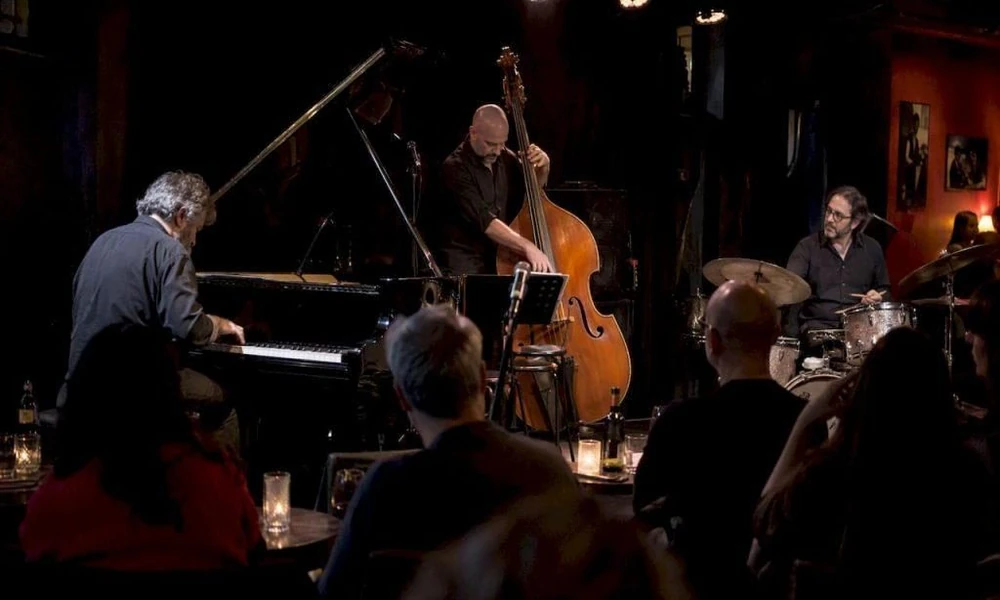
The room line asks a simple question: do you want to be close enough to see the player’s hands, or do you want a wider view and easier conversation? A listening room with a few dozen seats puts you near the stage for less than a stadium balcony. A big arena gives you spectacle and a sore neck. Neither is wrong. But if you’re paying arena prices to hear acoustic guitar, you’re in the wrong building.
The seat line is where most budgets quietly die. Table seating for groups almost always prices per table, not per head, so a four-top split four ways can land well under what four individual seats would cost elsewhere. Bar seating runs single or in pairs, which makes it the honest option for a date or a solo night. Sit down and do the division before you click anything. It takes fifteen seconds and it’s the highest-return fifteen seconds of the whole process.
The ride line is the one nobody plans for, and it’s the one that eats a concert budget alive. Parking near a busy venue can cost more than a bar stool. Rideshare surges the minute the encore ends. I’ll take a fixed-cost option over convenience every time, even if it means a ten-minute walk.
Why the Calendar Beats the Box Office
Small venues publish their calendars weeks ahead and sell out unevenly. A Tuesday show by a touring songwriter might have space the night of. A Saturday show by the same artist’s better-known friend will be gone by Thursday. So the calendar isn’t just a schedule, it’s a pricing signal. Early in the week means softer demand, and softer demand means better availability, sometimes better conversation with the people running the room.
One practical detail worth knowing: at venues that don’t staff an on-site ticket office, everything moves online, and online sales often close mid-afternoon on show day. After that, whatever is left sells at the door, usually cash only. If you’re the type who decides at dinner, carry actual bills. I’ve watched people walk away from a great show because the door didn’t take a card, and it’s a dumb way to lose a night.
Also check the sky before you commit to a walk-up plan. According to the National Weather Service, Houston’s summer storms build fast and dump hard, which turns a ten-minute stroll into a soak. A cheap poncho in the car solves it. No poncho means a surge-priced ride and a wet $40.
Table, Bar, or Stream: Picking Your Spot
Here’s how I’d call it for three common nights out, in plain terms.
- Friends’ birthday, four to six people: table. Split per head, arrive early, order food once for the group.
- Date night, two people: bar seats. Lower commitment, closer to the music, easier to leave when the set winds down.
- Solo, tired, or out of town: the stream. You still support the room and the artist, and you watch from your own couch.
That last one deserves a note. Livestream tickets exist because people asked for a way to back a venue without showing up, which is a genuinely decent reason to spend money. But the stream itself is usually free to watch on the venue’s channel. So if money is tight, watch for nothing. If the room means something to you, buy the virtual ticket anyway and treat it like a tip jar with a schedule. I do, and I don’t feel weird about it.
The Money Traps Nobody Warns You About
All sales final. That phrase appears on more venue pages than any other, and it’s not a bluff. Rescheduling happens, plans change, and there’s no exchange window waiting for you. So buy for the night you’ll actually attend, not the night you hope to attend. I’ve eaten the cost of two tickets in my life for exactly this reason, and both times it was a calendar mistake, not a money mistake.
Second trap: assuming door prices match online prices. They often don’t, and the difference isn’t advertised. Third trap: parking apps that quote a rate and then add a fee at checkout. If you’re driving, check the transit option first. METRO runs light rail and buses across the city, and a day pass can undercut a single hour of garage parking depending on where you’re headed.
Fourth, and this is the one I’d tattoo on my forearm if I were braver: a $12 ticket with an $8 fee and a $15 ride is a $35 night, and a $30 ticket with free parking and a five-minute walk is a $30 night. Look at the total, always. The sticker price is decoration.
A Ten-Minute Checklist for Show Night
Run this in order and you’ll rarely overpay or miss a set.
- Check the venue calendar and pick a night, not just a show.
- Write your three lines: room, seat, ride.
- Divide the table price by the number of people. Compare against bar seats.
- Buy online before the afternoon cutoff, or plan to bring cash.
- Screenshot the confirmation email. Most venues don’t issue physical tickets, and your name on a door list is the only ticket that exists.
- Check the forecast and the transit schedule together.
- Eat before or order once. Food runs add up faster than drinks.
That’s it. No spreadsheets, no subscriptions, no twelve-step system. The City of Houston keeps public information on parking, permits, and neighborhood events if you want to layer a dinner or a walk into the evening, but the checklist above is the whole engine.
What a Good Night Actually Costs
A smart live music night in Houston isn’t about finding the cheapest ticket. It’s about refusing to pay for things you didn’t choose. You choose the room that matches the music. You choose the seat that matches your group. You choose the ride that matches your budget. Everything after that is just showing up on time and ordering one round instead of three.
So here’s your move: open the calendar for the room you’ve been meaning to visit, pick a weeknight, and build your three lines before you look at a single price. Which show are you picking, and who’s splitting the table with you?

