
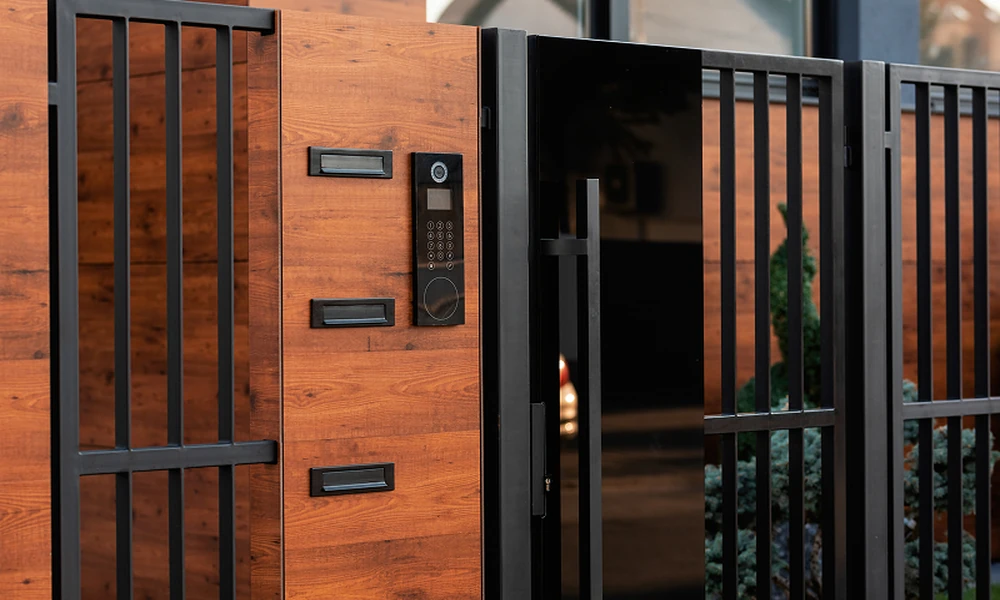
Key Highlights
- Ballistic doors provide essential protection against forced entry and firearm threats.
- Blast-resistant doors serve as a robust barrier against external pressure hazards.
- Modern manufacturing enables the integration of security features into luxury residential design.
- Discreet engineering ensures that defensive hardware does not detract from architectural beauty.
- Tailored solutions allow for custom finishes that align with individual aesthetic preferences.
Introduction
Securing a private estate involves navigating the tension between robust defence and the preservation of a welcoming, private environment. For property owners, the objective is to implement effective security measures that do not transform a residence into an imposing structure. The challenge is often perceived as a trade-off between the installation of heavy defensive hardware and the maintenance of architectural grace. However, advancements in material science and safety engineering have provided new avenues for property protection. By integrating a ballistic door and associated defensive systems, owners can achieve a high standard of safety while maintaining the aesthetic integrity of their homes.
The Evolution of Residential Security
The historical association between security installations and industrial aesthetics has largely been decoupled by modern manufacturing techniques. A ballistic door, once defined by thick, cumbersome steel plates, is now capable of being engineered to mimic traditional materials. High-tensile alloys and composite layers allow these doors to offer substantial resistance to ballistic threats while remaining comparable in weight and operation to standard residential doors.
This evolution extends to the visual finish. Current fabrication methods enable these doors to be clad in premium wood veneers, stone textures, or high-quality paint finishes that match the existing palette of a luxury estate. When security is considered during the design phase, it becomes a concealed element of the structure rather than an intrusive addition.
The Role of Blast Resistant Doors in Private Estates
While ballistic protection focuses on directed threats, blast-resistant doors offer a broader defensive capability. These systems are engineered to withstand the pressure differentials associated with explosive events, providing a shield for the interior of the residence. In a residential context, the inclusion of blast-resistant doors is often viewed as a comprehensive measure to safeguard the building envelope.
The effectiveness of these systems relies on the dissipation of energy through the door frame and the surrounding wall structure. When property owners opt for these solutions, they are investing in the long-term structural resilience of the estate. Because the engineering focus is on energy management rather than purely surface strength, these doors can remain sleek and professional, providing the necessary protection without the need for visual reinforcement.
Integrating Protection into Design
The successful implementation of high-security entryways requires close collaboration between security consultants and architects. Discreet integration ensures that hardware such as hinges, handles, and locking mechanisms aligns with the architectural details of the home. This attention to detail prevents any visual indicators that the door is reinforced.
Furthermore, the benefits of these installations often extend beyond physical protection. Many high-performance security doors offer superior acoustic insulation and thermal efficiency compared to standard counterparts. This creates a more controlled and comfortable interior environment, effectively reducing noise pollution and improving the overall quality of life within the estate. The investment in these systems functions as a dual-purpose strategy, addressing both the requirement for security and the desire for occupant comfort.
Maintaining Consistency and Reliability
The selection of appropriate safety systems requires reliance on verified certification standards. Facilities operating in high-risk environments often mandate that defensive measures are validated through third-party testing. For private estates, adhering to these same rigorous standards ensures that the chosen installations will perform as intended. This commitment to documented safety provides property owners with confidence that their defensive infrastructure is based on proven engineering outcomes rather than hardware additions alone.
Conclusion
The objective of securing a private estate is to foster an environment of safety that complements rather than disrupts the daily experience of the residents. Through the deployment of advanced ballistic and blast-resistant systems, property owners can effectively mitigate risks while ensuring their home remains a place of elegance and comfort. The modern approach to residential defence focuses on reliability, structural survival, and the thoughtful blending of security with architecture. This balanced strategy allows owners to safeguard their assets and personnel with foresight and technical precision.
If you are considering enhancing the security profile of your private estate, contact us today at FUCARE Protection to discuss how our bespoke engineering services can provide reliable, certified safety solutions tailored to your requirements.

